
When it comes to skincare, knowing your skin type is everything! The products, treatments, and techniques that work wonders for your bestie might leave your skin freaking out—and that’s because every skin type has different needs.
Whether you’re constantly blotting your face, battling dry patches, or reacting to every new product you try, your skin type holds the key to understanding what’s going on—and how to fix it. Let’s break down the 4 main skin types so you can discover where you fit in!
Oily Skin: The Glow That Won’t Quit
If your skin feels shiny or greasy by midday, especially around your forehead, nose, and chin (your T-zone), you’re likely in the oily skin club. Oily skin often comes with larger pores and a higher chance of breakouts or blackheads thanks to excess sebum production.
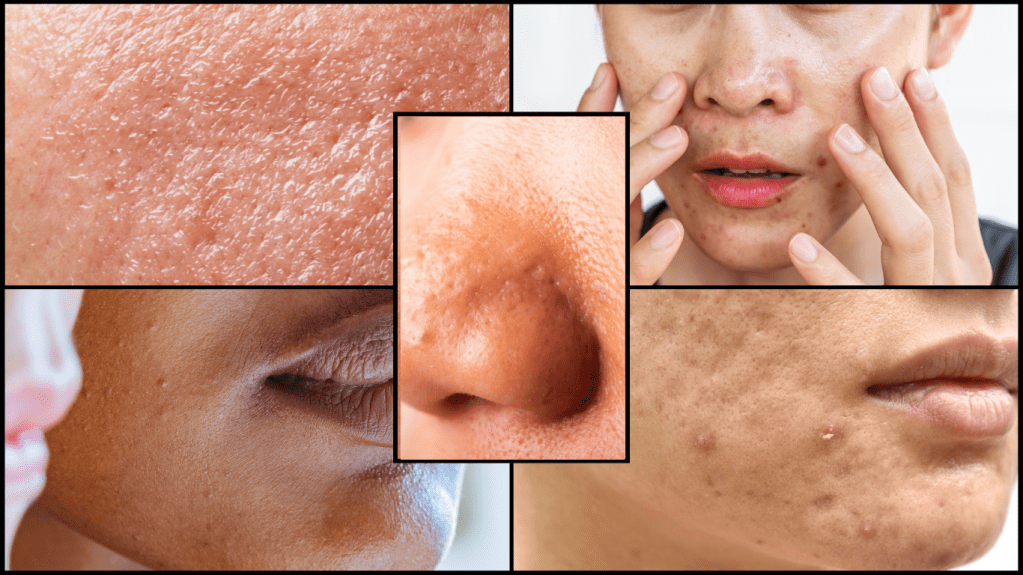
Best Practices for Oily Skin:
- Use lightweight, oil-free products
- Look for ingredients like salicylic acid & niacinamide
- Double cleanse to remove excess oil & impurities
- Avoid over-drying products that trigger more oil production
Dry Skin: Thirsty AF
If your skin feels tight, rough, or flaky, you probably have dry skin. Dry skin produces less oil than other types, which means it struggles to hold onto moisture—leading to dullness, fine lines, and irritation.
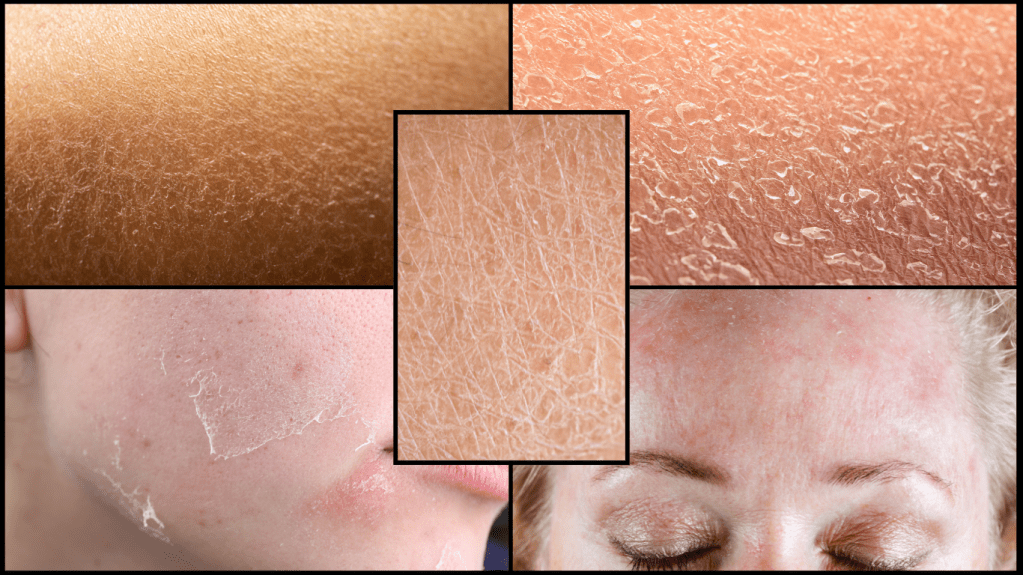
Best Practices for Dry Skin:
- Use gentle, creamy cleansers
- Layer hydrating serums & rich moisturizers
- Avoid products with alcohol or strong acids
- Seal in moisture with oils or balms
Combination Skin: A Little Bit of Everything
If you’re oily in your T-zone (forehead, nose, chin) but normal or dry on your cheeks, you’ve got combination skin. This skin type can feel confusing to manage because different areas need different care.
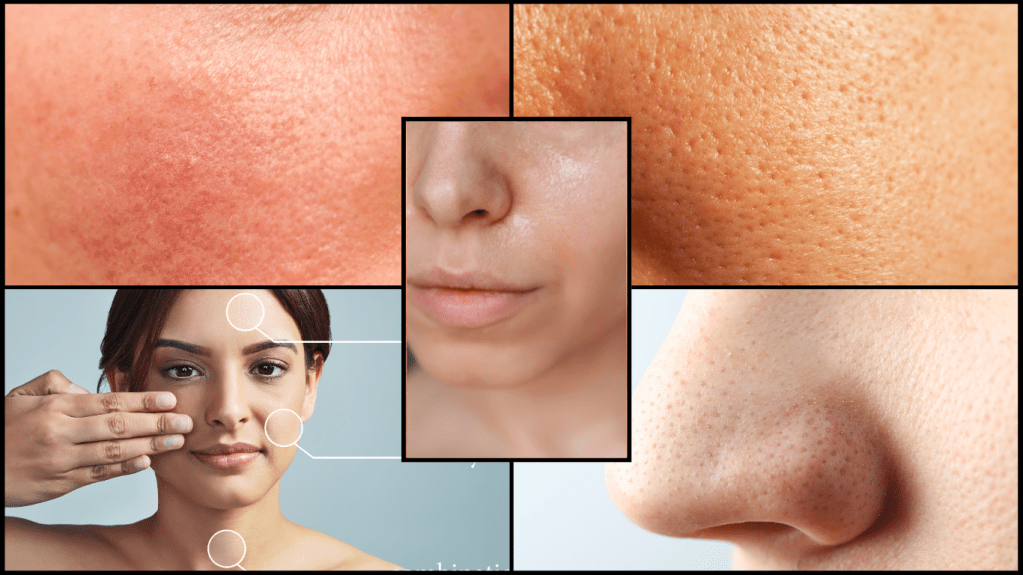
Best Practices for Combination Skin:
- Use a gentle, balancing cleanser
- Spot-treat oily areas with clarifying products
- Hydrate dry areas with nourishing products
- Consider multi-masking for targeted care
Sensitive Skin: Handle with Care
If your skin easily reacts to new products, fragrances, or even weather changes, you may have sensitive skin. This skin type often experiences redness, itching, or burning, and may be prone to conditions like rosacea or eczema.

Best Practices for Sensitive Skin:
- Stick to fragrance-free, hypoallergenic products
- Simplify your routine—less is more
- Use soothing ingredients like aloe, chamomile, or oat
- Patch-test everything before applying to your whole face
Why Knowing Your Skin Type Matters
Using the wrong products for your skin type can do more harm than good. Oily skin needs oil-balancing care, while dry skin needs deep hydration. If you’re constantly switching products or guessing what your skin needs, you’re probably wasting money—and your skin might be paying the price.
❤️ The good news? I can help! Book a virtual consultation and we’ll:
- Discover your true skin type
- Identify your top concerns
- Build a simple, effective routine tailored just for you
🗓️ Ready to start your Skin to Soul Glow Up? [Book Your Consultation Here!]
 The Skin to Soul Glow Up Experience ✨
Leave a comment